The church today looks quite different from the church of the New Testament. Our context, reality, and culture are not the same. Yet there is much to learn from how the early church made disciples. What was their model? How does it apply to us today?
Let’s turn to one of the most helpful snapshots of early church life: Acts 2:41–47. In this passage, we catch a glimpse of what the first disciples in Jerusalem did regularly. Understanding their rhythms helps us evaluate our own practices and align ourselves more closely with the New Testament pattern.
Rather than reading this passage through our modern church lenses, let’s try to see it as the early disciples would have experienced it.
What Was the Early Church Like?
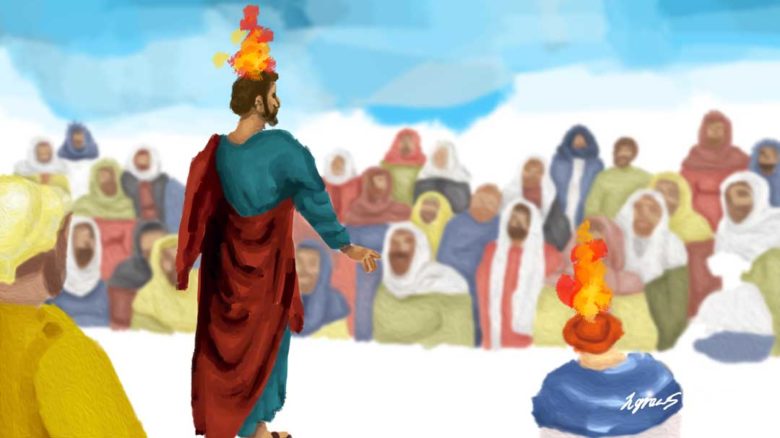
Acts tells us that about three thousand people responded to Peter’s message on the day of Pentecost. This new community immediately began living out seven core practices. Many of these happened daily, not weekly.
1. New Believers Were Baptized Immediately (Acts 2:41)
Those who accepted the gospel were baptized right away—often the same day. Baptism was not delayed by long processes or classes. Instead, it was a natural first step of obedience. This challenges us to ask: Do we baptize quickly and simply, or do we add unnecessary barriers?
2. Disciples Devoted Themselves to the Apostles’ Teaching (Acts 2:42)
Their learning was ongoing and daily. The apostles taught in Solomon’s Colonnade, the same place Jesus had often taught. They used publicly available spaces to talk about Jesus with whoever would gather. As modern disciples, there are many ways we can devote ourselves to growing in our faith through daily learning and time in God’s word.
3. Fellowship was Deep and Generous (Acts 2:42, 44–45)
New Testament fellowship went far beyond attending meetings. The believers shared life deeply—emotionally, spiritually, and materially. Those with resources helped those in need. The community functioned like an extended spiritual family. Today, we often focus on building buildings more than on building intimate, loving, authentic communities.

4. They Broke Bread Daily in Their Homes (Acts 2:42, 46)
Communion wasn’t a monthly ritual officiated by a pastor or priest; it was woven into daily life. Breaking bread reminded them continually of the cross. It called them to forgiveness and unity. Homes—not special church buildings—were the central gathering places for disciples. If we want to multiply disciples today, our homes must once again become open places of spiritual conversation, ministry, and church life.
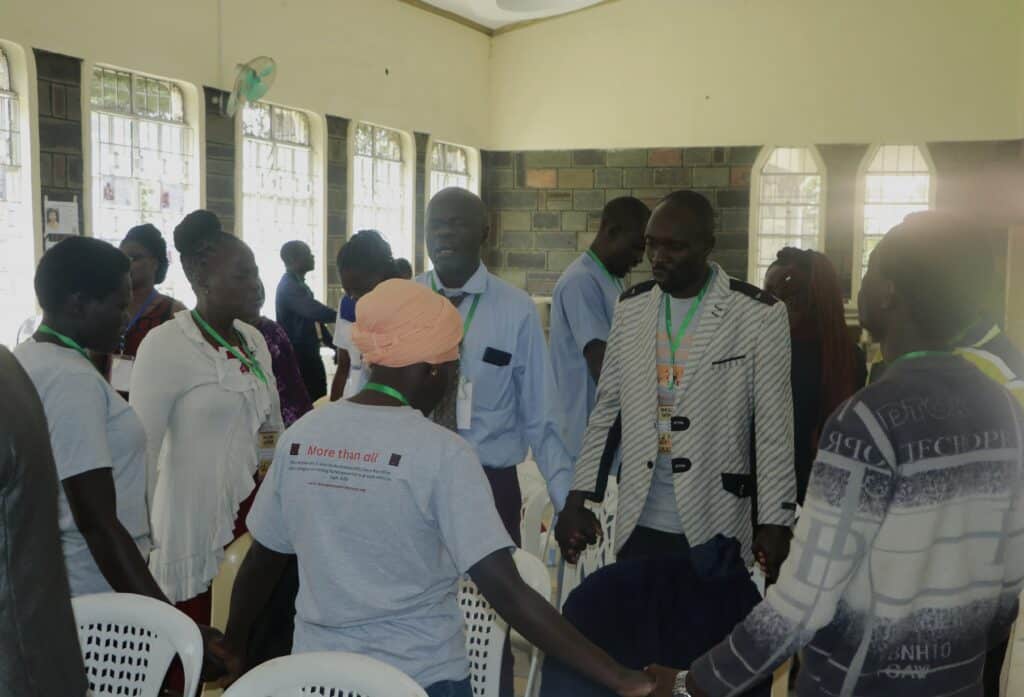
5. Disciples Were Committed to Prayer (Acts 2:42, 47)
Prayer shaped their days. They prayed in the temple and in their homes. Praise was the natural overflow of all God was doing among them. When crisis came, like Peter’s imprisonment, the believers gathered for focused, persistent prayer. It’s worth asking: How central is prayer, in our communities of faith?
6. Wonders and Signs Confirmed the Message (Acts 2:43)
God moved powerfully through the apostles, opening doors for the gospel through demonstrations of His power. After such signs, many more believed. Do we still trust God to work supernaturally as we share the good news? If not, why?
7. New Believers Were Added Daily (Acts 2:47)
Growth was not the result of clever marketing—it was the Lord’s work through His people. The disciples, filled with His Spirit, created an environment where God’s Kingdom could multiply rapidly. Their faithful and constant witness resulted in new disciples being added every day. What would it take for this to become a norm in the modern church? What might be hindering this?
Let’s Compare: Then and Now
When we look at this biblical snapshot, similarities and differences are easy to see. In most cases, our modern structures look very different from the simple, powerful practices of the early church.
If we want to see movements—rapid multiplication of obedient disciples—we must be willing to realign ourselves with the patterns Jesus and the apostles laid out. The question is not merely what they did, but what changes we are willing to make today.
What comes to mind as you reflect on these seven aspects of the New Testament Church?
I’d love to hear your thoughts in the comments below, or in the Dare to Multiply Community.



Comments
Simple and clear. I appreciate.
I am a little confused between “apostles ” and “disciples”. I understand that the apostles were sent out originally to spread the Gospel after Jesus ascension. So today we are disciples sent to make disciples because the original called apostles have gone to be with the Lord.
Author
Great question Lorraine! In the New Testament, apostle is used both for the original 12 and also listed as a spiritual gift. Apostolically gifted people (or modern day apostles) are those who are sent out and who pioneer in new areas, taking the gospel to those who don’t yet have it. Listen in to this podcast I did on spiritual gifts for more insights on this: https://youtu.be/uwNTJ9THMug
I am inspired
Good
Excellent
I live in Ethiopia, be blessed
You are right, but we must know that a teacher has crossed the border of being a teacher, in the environment of this world! but the environment of heaven, that is, of the Spirit, if anyone is filled with the Holy Spirit, he can be a teacher, he will want to come and read now that those who should be apostles are those who are called by Jesus, not everyone