One of the quiet assumptions many pastors carry — rarely stated, but deeply felt — is this: people who have been abused or deeply broken need complete healing before they can be useful in ministry. We tend to think they need years of counseling and recovery before they can begin to disciple others. This mindset limits both the multiplication of disciples and the transformation of the very people we are trying to protect.
I understand the instinct. It sounds compassionate. It sounds wise.
But it is not how Jesus worked.
God Does Not Wait for Wholeness Before He Invites People In
In Scripture, God repeatedly chooses people in the middle of their brokenness — not at the end of their recovery. He does not wait for stability, polish, or complete emotional wholeness before inviting them to share what He is doing with others. In fact, participation in His purposes, and seeing God use us in the midst of our weakness and brokenness, is often one of the primary means for confidence and healing to grow.
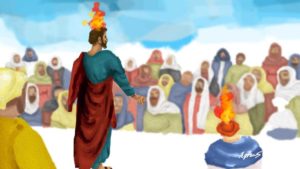
Jesus modeled this clearly. He did not say to the Samaritan woman, “Come back after a season of counseling and then you will be ready to go tell your neighbors about me.” She shared her good news immediately — and became one of the first everyday missionaries in the Gospels. He did not sideline the demonized man in the Decapolis until he was fully integrated back into society and emotionally stable. He sent him home to testify. Through that obedience, his restoration was solidified even more.
Hot-headed fishermen. A corrupt tax collector. A woman with a shameful past. Jesus invited them onto His team as full members — not as people who had to pass a process of testing and proving themselves before they qualified. This was not an accident of circumstance. It was His way, His method, of making disciples.
Why This Matters for How We Disciple Today
Many people who have experienced abuse carry a sense of shame, powerlessness, and disconnection. Waiting for them to feel “ready” before involving them in God’s mission can unintentionally reinforce the very lies that abuse planted:
You are a problem. You have nothing to offer. You must be fixed before you belong.
A multiplying approach to discipleship tells a different story.
It says: God delights in using willing, imperfect people right now. It says: service often comes before healing, not the other way around. It says: you have dignity and value in Christ immediately, not eventually.
When broken people are trusted with meaningful obedience — praying for others, sharing their story, listening to God together, even leading a group of peers through a Discovery Bible Study — something profound happens. They are no longer defined primarily by what was done to them. They begin to experience themselves as carriers of God’s presence. Identity starts to shift. Shame loosens its grip. Hope grows.
This is not reckless ministry. It is deeply biblical ministry – Jesus style.
The Salad That Said Everything
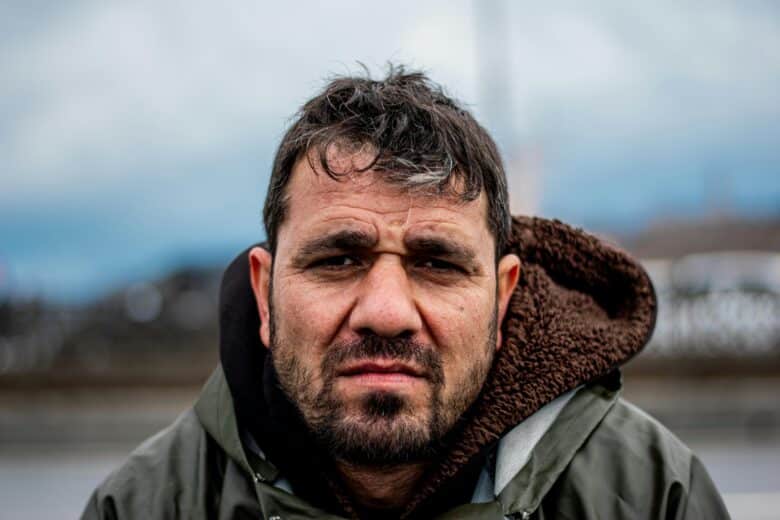
The other day, I was preparing a meal with a group of men who have had traumatic backgrounds. One of them had lived on the streets and been rejected by his family. While I was getting everything ready, I asked him to help me make the salad. It was a simple task. I gave him a few instructions and went on to do something else.
About ten minutes later, he said something that stopped me.
“Thank you for letting me make the salad. It really meant a lot to me.”

Why would making a salad mean that much? Because he felt trusted. He felt useful. It made him feel like part of the family — a contributing member, not someone who had to be waited on or watched over.
That moment clarified something for me about our groups. When we ask someone who has been through trauma to lead the questions at the end of a Discovery Bible Study, or trust them to start their own group, we are saying something that counseling can rarely say to us in the same way: you are valuable. You are useful in God’s Kingdom. I believe in you.
Having people in our lives who trust and value us is a profound part of finding wholeness. It is what Jesus did for everyone He invited to follow Him.
Obedience Happens in Safe, Relational Community — Not Isolation
Healing does not require removing people from responsibility. It requires giving them appropriate opportunities to obey within a safe, relational community. God heals people not by sidelining them from His purposes, but by inviting them into their destiny.
For pastors and leaders, this requires a real mindset shift. Instead of asking, “Is this person ready?” we ask, “What simple step of obedience would restore confidence and faith right now?” Instead of reserving mission for the emotionally strong, we must make disciple-making opportunities accessible to all who are humble, dependent, and willing.
Will they struggle? Will there be setbacks? Of course. Does that mean we made a mistake in trusting them? Not at all. It means we disciple into that situation — we walk alongside, help them repent, receive forgiveness, and try again. That is exactly what Jesus did with His own disciples.
And here is the truth that continues to surprise, even me: people who have been hurt deeply often multiply disciples with unusual power. Their dependence on God is real. Their compassion runs deep. Their testimony carries weight that polished, stable, program-trained leaders cannot replicate. They are still connected to others who are broken and desperately need God. And as Jesus works through them to reach those people, their healing does come — not always instantly, but truly and meaningfully — because they are living as participants, not patients.
We Are All Broken. That Is the Point.
Ultimately, we are all broken. Some of us wear our brokenness and shame more publicly than others. But changing our mindset — from one that says brokenness must be fixed before it can be used, to one that says brokenness can be a bridge to healing for us and others now — is key to multiplying disciples among people who feel broken, maybe in different ways, but broken nonetheless.
We all share that need to be believed in, trusted, and valued beyond what our circumstances deserve.
God’s kingdom has always advanced through cracked vessels. The mistake is not that broken people are involved in ministry too early. The mistake is waiting so long to trust them that they never discover how profoundly God longs to, and can, work through them. Or trusting them, but not making the time to walk alongside and disciple them when they fail.
The question is not whether broken people are ready. The question is whether we are willing to be the kind of community that believes God can work through them.
| Reflection Questions for Pastors and Leaders |
| Where might you be unintentionally communicating that people need to be “healed first” before they can participate in God’s mission? |
| How could simple, immediate obedience restore dignity and faith for wounded people in your church or discipleship group? |
| What would change if you measured readiness for disciple-making by willingness, not wholeness? |
Share your thoughts in the comments, or bring this conversation into the free Dare to Multiply community where practitioners around the world are wrestling with exactly these questions together.
Frequently Asked Questions
Can people with trauma and abuse in their past make disciples effectively?
Yes — and often with unusual power. People who have experienced deep pain tend to carry genuine dependence on God, great compassion, and a testimony that carries real weight. They are also still connected to others who are broken and searching. Scripture consistently shows God choosing people in the middle of their brokenness, not at the end of their recovery. The Samaritan woman and the demonized man in the Decapolis are two clear examples.
Do broken people need to be healed before they can make disciples?
Not according to Scripture or the experience of Disciple-making Movements globally. Participation in obedience is often how healing comes — not a reward that comes after healing is complete. Waiting for people to be “ready” can reinforce the lies that abuse planted: that they are a problem, that they have nothing to offer, that they must be fixed before they belong. A multiplying approach says something different.
What is a safe way to involve trauma survivors in disciple-making?
Start with simple, appropriate steps of obedience within a safe, relational community. Asking someone to lead the questions in a Discovery Bible Study, to pray for another person, or to share what God is teaching them are all low-barrier, dignity-restoring invitations. The goal is not to push people into leadership before they are ready — it is to avoid unnecessary gatekeeping that communicates they have nothing to offer.
How does obedience lead to healing in Disciple Making movements?
In Disciple Making Movements, healing and mission are not sequential — they happen together. When broken people are trusted with meaningful obedience, their identity begins to shift. They are no longer defined by what was done to them. They begin to experience themselves as carriers of God’s presence. Shame loosens its grip. This is the pattern Jesus modeled — inviting people into His purposes as the means of their transformation, not after it.
What should a pastor do when a trauma survivor they trust in ministry has a setback?
Walk alongside them — do not pull back the trust. Setbacks are part of discipleship for everyone, not a sign that trusting a broken person was a mistake. Disciple them through it: help them repent, receive forgiveness, and try again. This is what Jesus did with His own disciples, including Peter after his denial. The goal is not a perfect track record — it is a community where people are discipled through failure, not disqualified by it.
About the Author: Cynthia Anderson is the founder of Dare to Multiply and the author of The Multiplier’s Mindset: Thinking Differently About Discipleship. She has spent decades equipping families, practitioners, and church leaders in Disciple Making Movement principles across every region of the world.