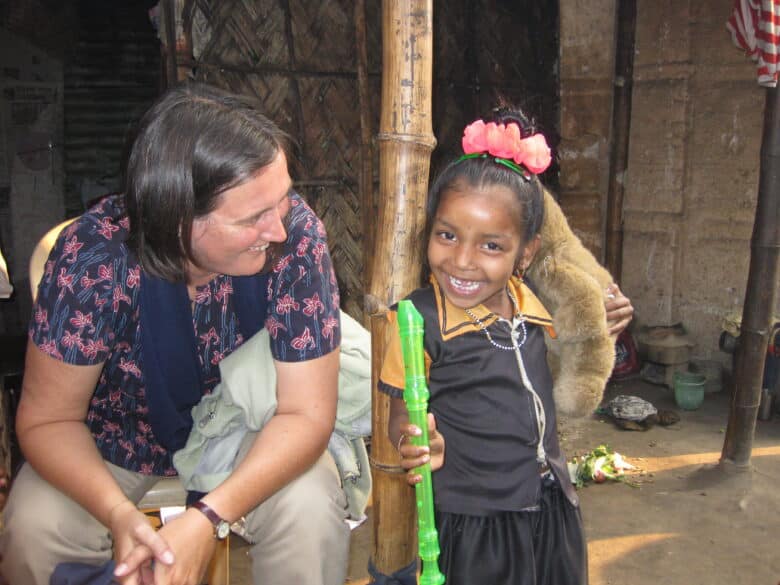
There are moments when God stops speaking in whispers and starts speaking loud and clear. For me, that moment came on the streets of India — and it launched one of the most unexpected and beautiful disciple-making experiences of my life. I had grown up in Africa, surrounded by poverty and beggars from an early …

There are a few reasons why the Church has gotten confused about the importance of this. One is that we misunderstand what the word observe means. A second reason is the influence of the Enlightenment on Christianity today. The third is that we lack key principles and skills in applying this.
There is no excerpt because this is a protected post.
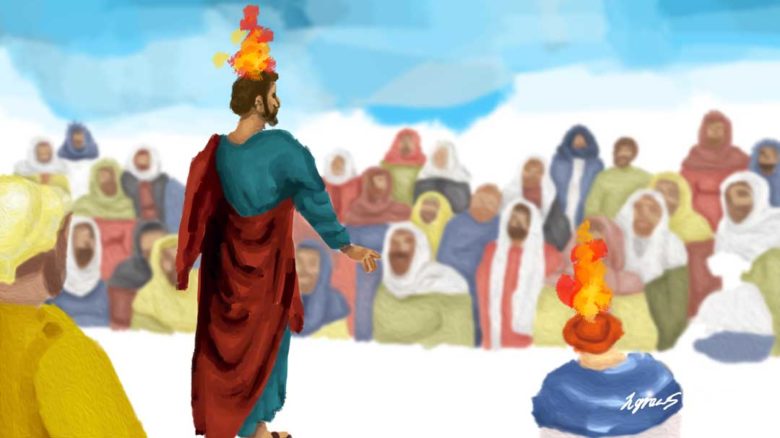
Growth was not the result of clever marketing—it was the Lord’s work through His people. The disciples, filled with His Spirit, created an environment where God’s Kingdom could multiply rapidly. Their faithful and constant witness resulted in new disciples being added every day.

Disciplemaking begins at home. Parents who raise their children and teenagers to follow Jesus’ commands and actively make disciples are not just being strategic — they are forming the next generation of multipliers. Children can make disciples. Teenagers can make disciples. The everyday rhythms of family life are one of the most powerful training grounds …

Our role is not that of a parent, but a midwife. The new churches being born are not our babies—they belong to the local believers. If we try to take over and “raise” them ourselves, we interfere with the natural bonding and responsibility that must develop among the people God has entrusted with these groups.

While it can be uncomfortable, it is also an opportunity to return to a more biblical model—one where parents disciple their own children and young people are viewed not simply as consumers of programs, but as potential disciple‑makers themselves.

Throughout Scripture, rapid, organic growth often occurred in environments saturated with prayer, faith, and the miraculous. They were not dependent on outsiders.

Disciple Making Movements require a biblical and reproducible vision of worship—one that can multiply naturally wherever disciples gather.

Our Lord was direct and unashamed. Jesus didn’t spend years building relationships before calling people to follow Him. Often after a single encounter—after demonstrating the Kingdom in word and deed—He simply said, “Follow me.” The choice was theirs.